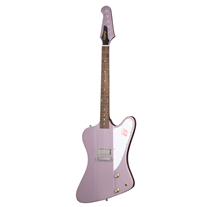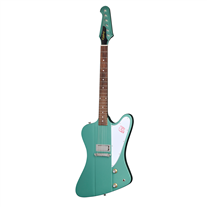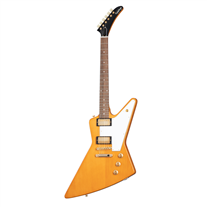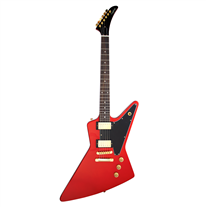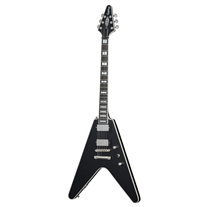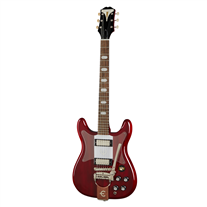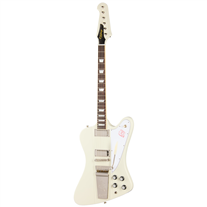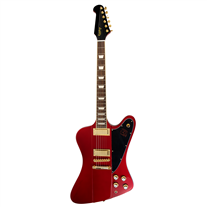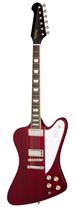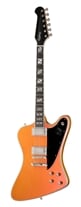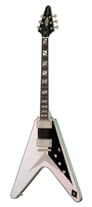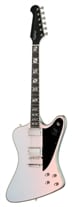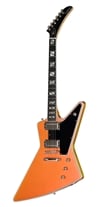

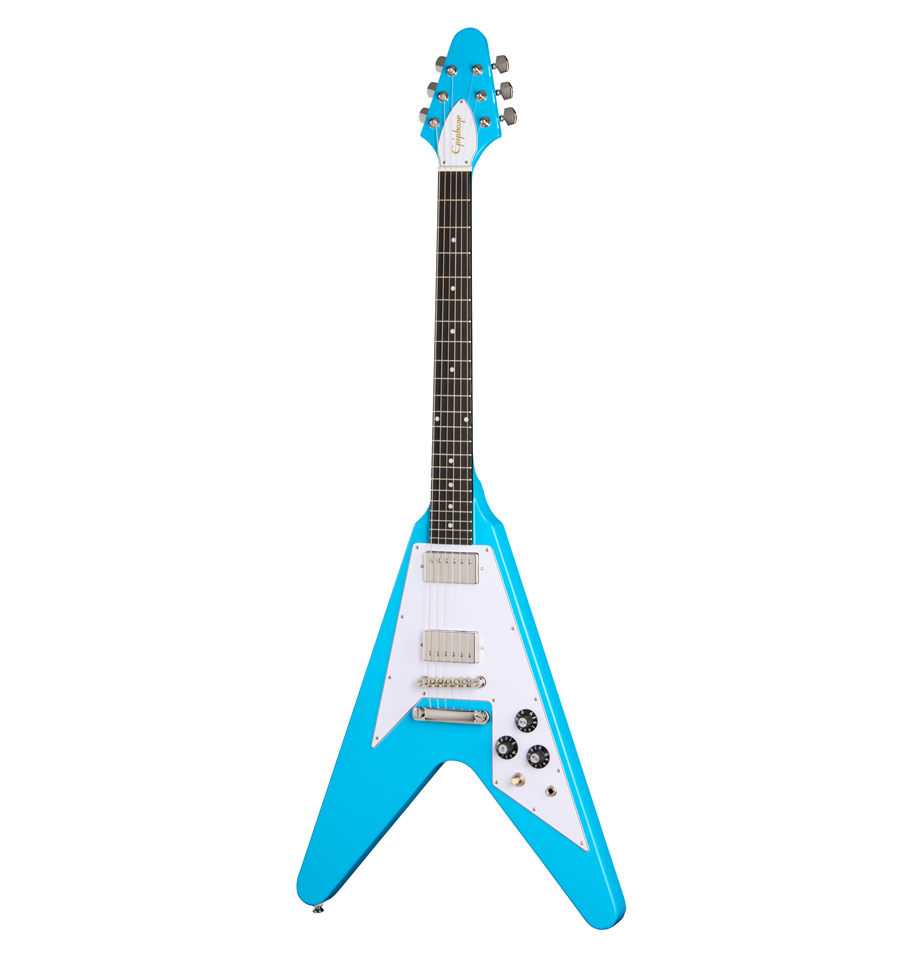

Epiphone Flying V 70s Maui Blue

1
Epiphone
Epiphone Flying V 70s Maui Blue
630 €

En stock

Entrega estimada: 2 a 4 Septiembre

Acumula los descuentos para tu tarjeta

El mejor precio del mercado

Portes Gratis
Color:
lojaIcon
VER STOCK TIENDAS
1
Pagamentos
Ver todas las opciones y medios de transporte

Completa tu compra!

Epiphone Flying V 70s Maui Blue
630 €
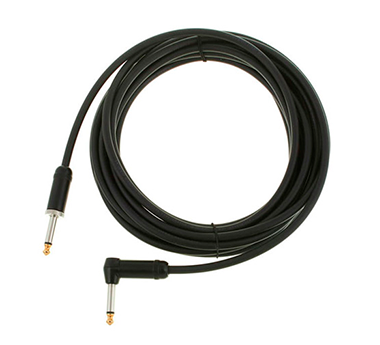
D'Addario PW-BG-10BK 3,05mt Instrument cable
22,70 €
Epiphone Flying V 70s Maui Blue
630 €
Afinador Taylor Digital Tuner
12,70 €
Epiphone Flying V 70s Maui Blue
630 €
Correa de Guitarra D'Addario 25L00-DXXL Negro Classic Leather
28,05 €
Ver más conjuntos

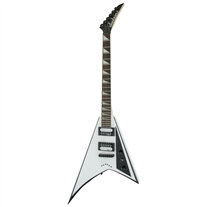
A 70s rock icon that’s ready to help today’s players rock the world

Today, the Gibson Flying V™ is one of the most famous and instantly recognizable guitar designs of all time, but its rise to fame and popularity wasn’t instantaneous. Upon its initial release in 1958, it was met with a less-than-enthusiastic reception. However, as the years passed, guitarists soon began to discover its many charms, with famous players adopting it later in the 1960s. However, it was when hard rockers adopted its futuristic shape and powerful sound in the 1970s that the Flying V truly began to come into its own in the hands of players like Michael Schenker, Jimi Hendrix, K.K. Downing, Marc Bolan, Steve Jones, and many more. The new epiphone Inspired by Gibson Flying V 70s is based on those iconic 70s models that changed music history forever.


The epiphone Flying V 70s features a two-piece, center-seamed mahogany body that is sure to turn heads. The mahogany neck has a comfortable, Rounded C profile and a volute at the neck/headstock junction, just like the vintage models from the 70s. The neck is topped with an ebony fretboard that features 22 medium jumbo frets and simple pearloid dot inlays. The slightly shorter 70s-era arrowhead-shaped headstock is equipped with Grover® Rotomatic® tuners with spade buttons and a Graph Tech® nut, ensuring solid tuning stability. The other ends of the strings pass over an epiphone LockTone™ Tune-O-Matic™ bridge and are anchored with a LockTone Stop Bar tailpiece. The iconically shaped mahogany body is outfitted with epiphone’s new T-Type PRO™ humbucking pickups. They accurately capture the unique, fat-toned sound and rich sustain of the Flying V models that many players preferred during that era. The pickups are wired to individual volume controls and a master tone control; the controls are capped with Witch Hat control knobs. Other era-correct details are present, including a 70s-style Flying V pickguard and a 70s-style truss rod cover with the epiphone logo hotstamped on it.


With eye-catching gloss finishes and style and sound that can’t be ignored, the epiphone Flying V 70s is ready to help you rock the world. If you’re into retro-futuristic guitars, this is a model you need in your collection. A premium gig bag is included, so the epiphone Flying V 70s is ready to go wherever and whenever you are.

Caracteristicas
check_circle_outline
Mahogany body
check_circle_outline
Mahogany neck with a rounded C profile and volute
check_circle_outline
Ebony fretboard with 22 medium jumbo frets and pearloid dot inlays
check_circle_outline
70s short flying v headstock
check_circle_outline
epiphone T-type Pro pickups
check_circle_outline
Black nickel hardware
check_circle_outline
Grover rotomatic tuners with spade buttons
check_circle_outline
epiphone premium gig bag included
Especificaciones
Epiphone Flying V 70s Maui Blue
Cuerpo
Tipo de acabado del cuerpo del artículo. Ej: Brillante, Mate.
Acabado del Cuerpo
Brillante
Perfil utilizado en la construcción del cuerpo del instrumento.
Perfil del Cuerpo
Flying V
Tipo de material/es utilizado/s en la construcción/fabricación del producto.
Material del Cuerpo
Caoba
Estilo de Cuerpo
Flying V
Mástil
Indica el tipo de material utilizado en la estructura del mástil de la guitarra.
Material del Diapasón
Ébano
Número de Trastes
22
Aspeto e/ou material utilizado nas marcações do braço.
Incrustaciones / Marcas
Punto perlado
Material del mástil del instrumento.
Material del Mástil
Caoba
Indica la anchura de la cejuela de la guitarra.
Ancho de la Cejuela
43.0mm / 1.69"
Longitud del diapasón. Las medidas pueden variar en función del tipo de guitarra. No suele superar los 24 trastes. También se dan casos de mayor separación entre trastes en distintos instrumentos, lo que proporciona una mayor comodidad al tocar.
Longitud de la Escala
628.65mm / 24.75"
Indica la medida del radio de la escala, cuanto mayor sea el número, más plana será.
Radio del Mástil
304.8mm / 12.0"
Indica el número y/o tipo de trastes que tiene el instrumento. Puede especificar el tipo de traste(s): fino, medio, jumbo u otras particularidades.
Trastes
Jumbo Medios
Lugar donde el mástil se une al cuerpo. Puede informar sobre el tipo de unión.
Tacón
Encolado, Set Neck (Mástil fijo)
Indica qual é o material usado para a construcção do pente da guitarra.
Material de la Cejuela
Graph Tech
Describe el tipo de curvatura del mástil del instrumento.
Perfil
Redondeado \C\
Electrónica
Pastilla de Puente
Epiphone T-Type PRO Humbucker
Pastilla del Mástil
Epiphone T-Type PRO Humbucker
Permite-nos selecionar entre os pickups do instrumento para obter timbres diferentes.
Selector de Pastilla
Conmutador Epiphone de 3 posiciones
Indica quais os tipos de potenciómetros (controlos) disponíveis na guitarra, amplificador, teclado, etc,, como por exemplo, volume, tom, 'push and pull' ou outros.
Controles
2 Volume, Master Tone; CTS potentiometers
Conetor utilizado para ligar o cabo ao instrumento.
Jack de Salida
Epiphone 1/4"
Hardware
Un puente es un dispositivo que soporta las cuerdas de un instrumento musical de cuerda y transmite la vibración de esas cuerdas a otro componente estructural del instrumento.
Puente
LockTone Tune-o-matic
Acabado dado al producto / instrumento.
Acabado
Níquel
Proteción de Pastillas
Níquel
Material e cor de que é feito o Switch Tip.
Punta(s) del Selector [Switch]
Marfil
Tensor
Doble Acción [Dual action]
Acabamento utilizado para revestir os afinadores, protegendo assim de corrosão.
Revestimiento de las Clavijas
Níquel
Indica o material de que são feitos os 'control knobs' (botões).
Perillas de Control
Black Witch Hat with Silver Insert
Pieza que protege de rasguños con la púa el acabado de la guitarra al tocar.
Golpeador [Pickguard]
Flying V 70s 3 capas
Los pines donde pasamos la correa.
Botón(es) de Correa
2
LockTone Stop Bar
Cordal
LockTone Stop Bar
Tapa que cubre el tornillo de ajuste del Truss Rod.
Tapa del Tensor
Flying V de los años 70; negro de tres capas con el logotipo de Epiphone estampado en dorado.
Afinadores de guitarra (clavijero). Pueden ser de distintos acabados y calidades. Existen configuraciones de 3 + 3 (3 afinadores a cada lado de la cabeza de la guitarra) o en línea (afinadores alineados en su totalidad a un lado de la cabeza)
Clavijas
Grover Rotomatic with Spade Button
Diversas
Indica a presença e/ou o tipo de estojo de transporte incluído com o instrumento. Por vezes o estojo não está incluído.
Estuche
Gig Bag Premium
Descreve o estilo de headstock, e/ou a disposição dos afinadores no mesmo.
Clavijero
70s Short Flying V
Indica o calibre das cordas de origem colocadas na guitarra.
Calibre(s) de las Cuerdas
.010, .013, .017, .026, .036, .046
Indica a referência ou modelo do instrumento ou acessório em questão.
Modelo
EIFV7MBNH1
Incrustación en el Clavijero
Logotipo Epiphone estampado en oro en la cubierta del alma

Relacionados